


ICJ rules Myanmar committed genocide against Rohingya
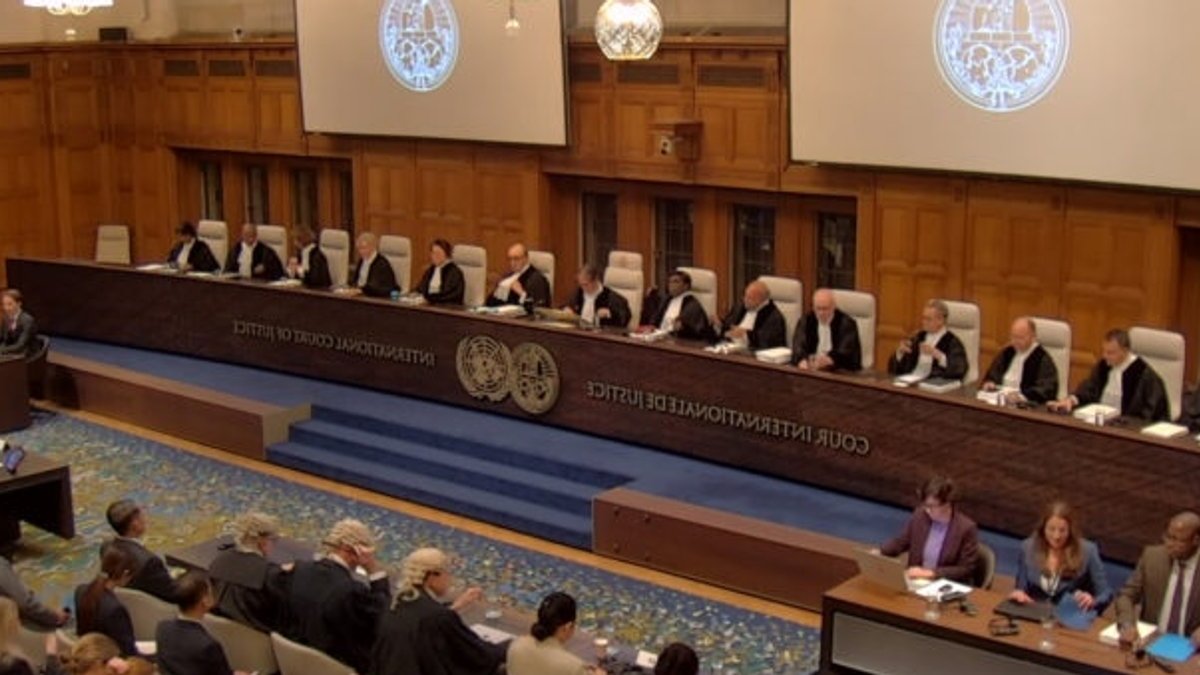
The International Court of Justice delivered a historic verdict on Thursday, declaring that Myanmar committed genocide against its Rohingya minority. This marks the first instance in the court’s 80-year history where judges determined a state violated the 1948 Genocide Convention. The decision requires Myanmar to enable Rohingya refugees to return home under secure conditions and to provide compensation for damages inflicted during the military’s 2017 crackdown, which displaced hundreds of thousands into Bangladesh.
ICJ President Yuji Iwasawa presented evidence in The Hague showing systematic destruction of Rohingya villages, mass killings, including approximately 10,000 civilians in clearance operations, and widespread sexual violence against women and children. The judges concluded that Myanmar’s actions met the legal definition of genocide, including the intentional destruction of the Rohingya population as a group.
In Cox’s Bazar, the world’s largest refugee camp, hundreds observed the verdict on a large screen, many breaking down in tears. Mohammed Osman, a 20-year-old Rohingya whose parents and four siblings were killed by Myanmar’s military, told reporters the ruling confirmed “we were not lying about the genocide.” He added, “I am overwhelmed … But we have achieved only 50% of what we wanted. We will achieve 100% when we are repatriated with dignity.”
Read Also: Xi, Putin, and Trump to Meet in China
While the decisions of the ICJ are binding and cannot be appealed, the court has no way of enforcing its verdicts, and it remains to be seen whether Myanmar’s rulers will adhere to the orders. Analysts said the ruling is an enormous setback with potentially severe implications for the Myanmar military and coup leader Min Aung Hlaing, who commanded the military during the Rohingya crackdown before ousting the elected government in a 2021 coup.
The ruling provides “a significant precedent for victims of genocide, and other grave crimes, across the world in their own quest for justice,” said Maria Elena Vignoli, senior international justice counsel at Human Rights Watch. The case was brought by The Gambia under the Genocide Convention, and its justice minister, Dawda Jallow, stated, “They survived. They testified. And today, they will believe.”
Myanmar had always denied genocide, arguing that its actions targeted a military uprising from insurgents after a series of attacks left a dozen security personnel dead. “Myanmar was not obliged to remain idle and allow terrorists to have free rein,” its representative Ko Ko Hlaing told judges during January hearings. There was no immediate reaction from the Myanmar authorities.


