


Xi Trump Putin convene in Shenzhen for peace
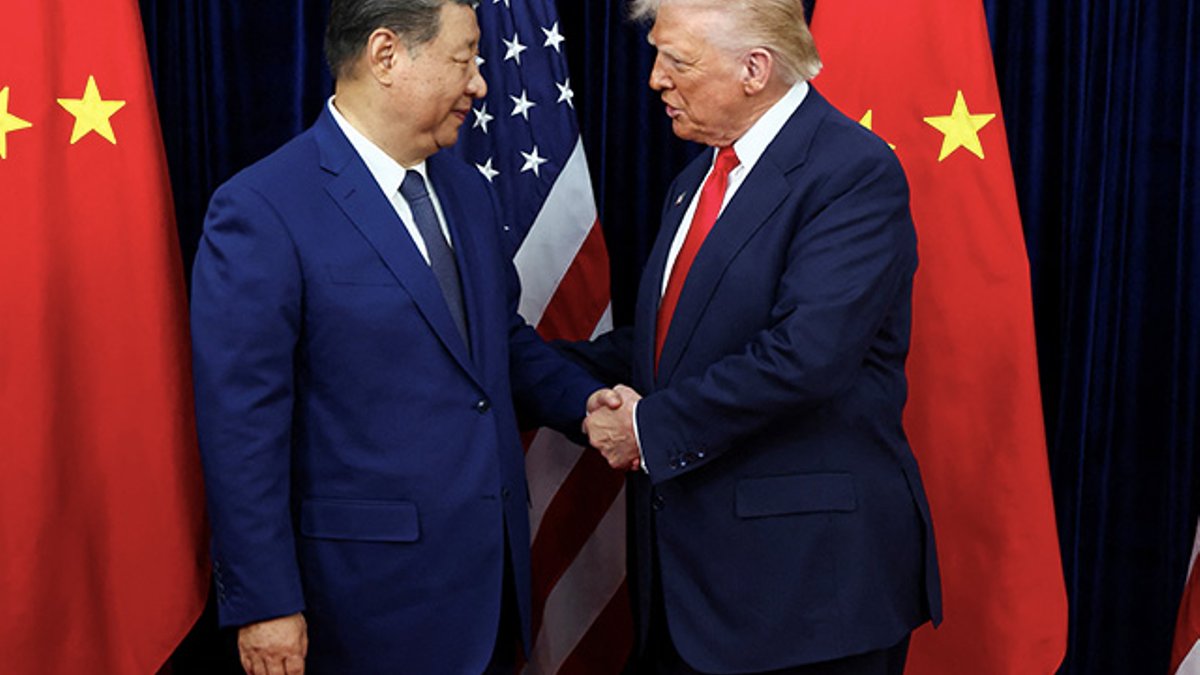
Presidents Xi, Trump and Putin will meet in Shenzhen this week for what China calls the world’s first trilateral summit, with “world peace” on the agenda.
Summit agenda and diplomatic signals
Foreign ministry spokeswoman Mao Ning told reporters the leaders will hold “in-depth exchanges on safeguarding world peace and promoting strategic stability in major-power relations.”
A German official recently noted that President Xi appeared “unenthusiastic” about the idea, casting doubt on the summit’s impact.
The talks are slated for Thursday, running alongside the Asia-Pacific Economic Cooperation (APEC) leaders’ summit in the southern city. Both the Kremlin and the White House have confirmed the three-way meeting.
According to U.S. officials, President Trump plans to raise nuclear-arsenal reduction and the ongoing war in Iran, but he is not expected to bring up Russia’s war in Ukraine.
German President Frank-Walter Steinmeier said Xi showed “irritation” when the possibility of discussing Ukraine was mentioned, stressing that the conflict is a European matter that “Europeans must also be at the table.”
Beijing has long maintained that the United States and Russia should first cut their “giant” nuclear stockpiles before China entertains talks on its own arsenal.
The gathering recalls the 2005 Shanghai Cooperation summit, where leaders similarly pledged stability without delivering substantive agreements. History suggests such high-profile meetings often generate headlines yet leave policy changes limited, especially when core disagreements remain unresolved.
Market reaction to geopolitical uncertainty
Asian equity markets slipped on Monday as investors digested the fallout from Nvidia’s leadership turmoil and weighed the uncertainty surrounding the summit. The Nikkei 225 closed down 2.4%, while South Korea’s Kospi fell 3.6%.
In Taiwan, the market dropped 6% after chipmakers TSMC and MediaTek took heavy losses. Hong Kong’s Hang Seng index, however, edged up 0.5%.
Traders also awaited U.S. retail-sales data and the Federal Reserve’s October-meeting minutes, which could shape expectations for future interest-rate moves.
U.S. officials said President Trump is not expected to discuss Ukraine during the talks.
AI and climate commitments
The United Nations climate coordinator highlighted both promise and risk of artificial intelligence during a ceremony in the Turkish coastal city hosting the climate conference.
He explained that the technology can accelerate climate research while also increasing energy and water use in the data centres that support it.
Industry leaders were urged to align investment strategies with global climate targets and to power computing facilities with renewable sources.
The host nation’s industry minister noted that a new voluntary pledge on AI had attracted a substantial number of endorsements from governments and corporations.
He emphasized the need to reduce the environmental footprint of AI while leveraging its ability to improve energy efficiency and strengthen climate resilience.
Stakeholders were reminded that the pledge seeks to balance modernization of industry with the imperative to meet agreed climate objectives.
Market turbulence beyond tech
Investors also responded to developments in the energy sector, where crude prices edged higher after a Middle Eastern nation reported an assault on a foreign military installation.
That movement offset a recent warning from a global energy agency that global supply would outpace demand later in the year.
In the corporate arena, a major property developer listed on a Hong Kong exchange saw its share price tumble dramatically after announcing a rights-issue plan that offered new shares at a steep discount.
The proposal aimed to raise capital to address the firm’s high debt levels, prompting concerns among analysts about its financial stability.
Meanwhile, a leading semiconductor company in Taiwan experienced a sharp decline following the resignation of its chief executive, whose departure was linked to personal scandals involving alleged foreign intelligence connections.
Despite calls from prominent technology entrepreneurs for his reinstatement, market participants remained cautious, citing potential governance and regulatory scrutiny.


