


HLB launches $55 billion tablet plant in South Korea
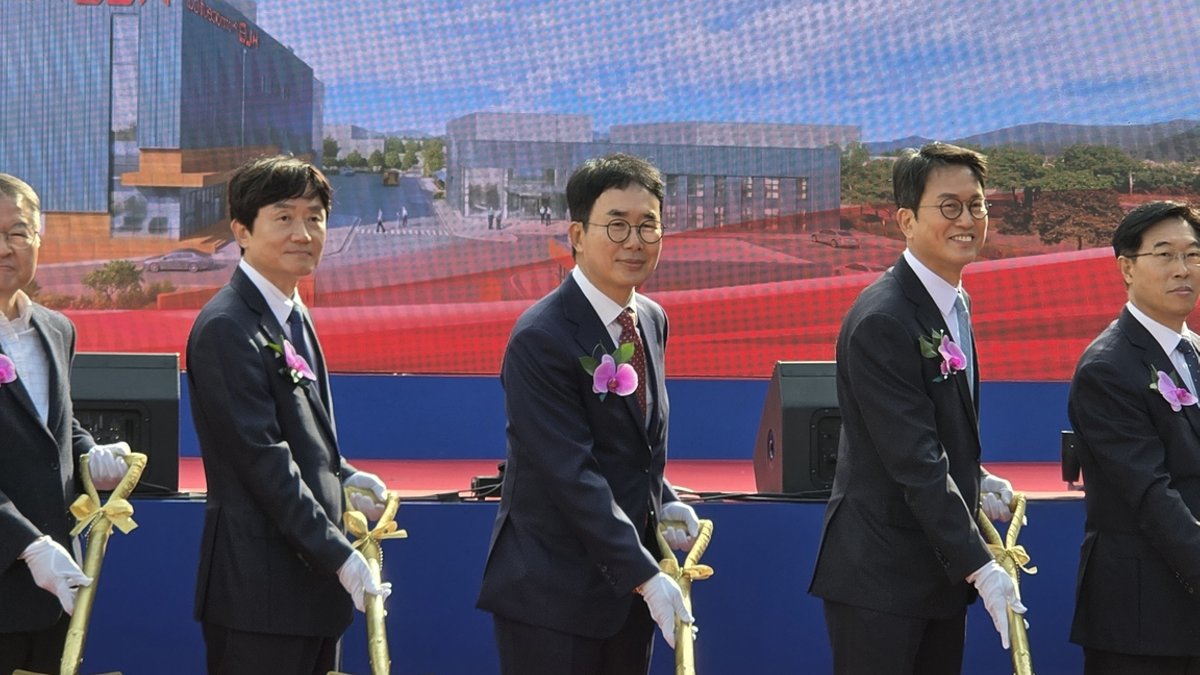
HLB Pharmaceutical has begun construction on a new manufacturing plant in Hwaseong, Gyeonggi Province, marking a ₩55 billion investment to nearly triple its tablet production capacity by 2029. The facility, named Hyangnam, will cover 11,931 square meters and is designed to produce up to 700 million tablets annually, addressing current bottlenecks at the company’s existing Namyangju plant, which operates at just 250 million tablets per year.
The new plant will include manufacturing spaces and auxiliary buildings across four levels, with construction set to finish by late 2027. Regulatory approvals, including Good Manufacturing Practice certification, will follow, allowing gradual production transfers beginning in 2029. The move aligns with HLB’s goal to reduce reliance on external contract manufacturers and lower costs while expanding its contract manufacturing organization (CMO) business.
HLB’s sales surpassed ₩205.6 billion in 2023, the first time crossing the ₩200 billion threshold, and grew to ₩127.9 billion in the first half of this year. The company aims to become one of South Korea’s top 10 pharmaceutical firms by 2036, targeting annual revenue of ₩1 trillion. The Hyangnam plant will serve as a central hub for producing new drugs across the HLB Group, with plans to explore further expansion on adjacent land.
Beyond capacity, HLB’s strategy includes strengthening its prescription drug portfolio, developing improved versions of existing treatments, and pursuing mergers and acquisitions. The company will focus on profitability between 2027–2028, then shift to expanding sales in oncology, urology, and rare diseases from 2029–2031. Chairman Jin Yang-gon emphasized the plant’s role in fulfilling the company’s mission of delivering high-quality drugs globally.
Pharmaceutical production in South Korea has increasingly relied on in-house manufacturing to meet rising demand, with foreign contract manufacturers often facing delays. HLB’s decision reflects a broader industry trend: companies scaling up domestic capacity to secure supply chains and reduce dependency on third-party producers. The Hyangnam plant’s design, with advanced equipment and certification standards, positions it as a key asset in this shift.
HLB’s roadmap also includes introducing blockbuster products and diversifying its pipeline, though no specific candidates were named. The company’s first-half sales growth suggests strong demand for its existing products, reinforcing the need for expanded production. With construction underway, the Hyangnam plant is expected to play a critical role in achieving its long-term revenue targets.


