


Thailand launches $1.5 billion solar subsidy for households
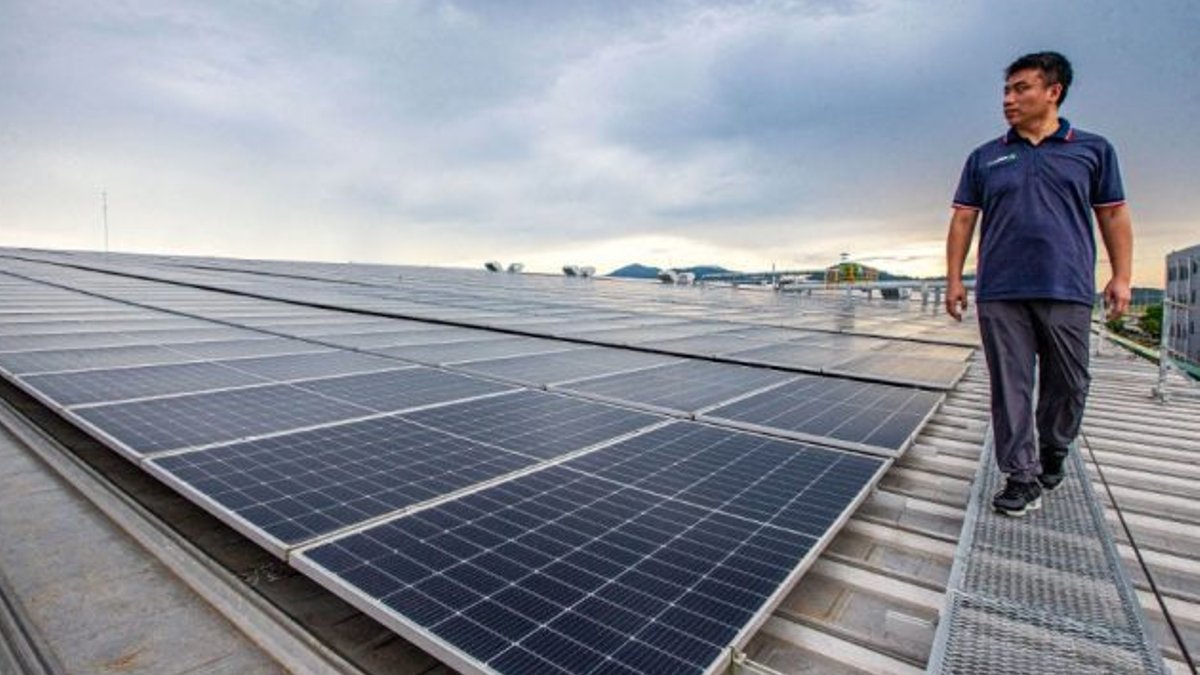
Thailand is accelerating its transition away from fossil fuels with a major initiative in solar power. The government revealed subsidies totaling up to $1.5 billion on Monday, designed to assist one million households in installing solar panels. The program provides 50,000 baht (approximately $1,500) per installation to reduce costs, along with low-interest loans and tax breaks for homeowners and businesses adopting solar technology.
This initiative directly addresses Thailand’s significant dependence on imported energy. Finance Minister Ekniti Nitithanprapas stated that Thailand ranks among the world’s largest fuel importers, calling this approach “unsustainable.” The subsidy program will be financed through a 400-billion-baht emergency borrowing package approved earlier this year to address economic fallout from Middle East conflicts.
Currently, Thailand generates 60% of its electricity from natural gas, while renewables account for just 11% of production. The government has set a target of 51% renewable energy in domestic electricity by 2037, but rising costs and supply disruptions have made continued reliance on fossil fuels impractical. Imported liquefied natural gas now comprises 32% of Thailand’s gas mix, up from earlier dependence on domestic and Myanmar pipeline sources.
The solar subsidy marks the most concrete step in Bangkok’s energy transition plan. The scale of this initiative reflects an acknowledgment that Thailand’s energy strategy must evolve, though scaling renewables while maintaining grid stability remains a significant challenge.
Read Also: Jio IPO attracts investors in record time
Thailand’s focus on solar power aligns with broader regional trends but also reveals practical obstacles ahead. The subsidy program must address logistical challenges, including installation capacity and grid integration, before it can effectively reduce reliance on imported gas. While financial incentives are clear for households, the long-term benefits—such as lower utility bills and energy independence—will take years to materialize.
Asia’s Renewable Race Faces Supply Chain Hurdles
This solar push coincides with a broader energy crisis across Asia. Neighboring countries like Vietnam and the Philippines have also increased renewable investments, but supply chain constraints and fluctuating commodity prices continue to test regional energy security. The question now is whether Thailand’s subsidies can overcome these challenges or if additional policy adjustments will be necessary to keep the transition on course.
Xi’s Plenum Tightens Grip Amid Political Purges
Separately, China’s President Xi Jinping opened a key Communist Party meeting in Beijing on Monday. The fifth plenum, attended by around 300 Central Committee members, is expected to emphasize tightening party discipline, reducing corruption, and preparing for next year’s party congress, where Xi is expected to secure another term. The meeting runs through Thursday, with few details expected before its conclusion.
The plenum occurs as Xi’s anti-corruption campaign has removed thousands of officials, including eight vacant seats on the Central Committee and 15 members under investigation. His efforts to centralize control have extended to the military, where five of seven top leaders have been replaced since 2022. Economic pressures, including a stagnant property sector and strained US-China relations, add to the challenges under discussion.
Read Also: Oil Rises as Typhoon Champi Hits Taiwan
For Thailand, the immediate priority remains the solar subsidy program. The $1.5 billion initiative is a bold move, but its success hinges on effective implementation, whether incentives reach the intended households, whether the grid can accommodate new capacity, and whether the shift away from gas imports can be sustained without further interruptions.
Successful rollout will require coordination among provincial governments, energy providers, and private installers. The government has not yet determined whether application processing will be centralized or delegated to regional offices, though local officials have indicated a need for additional funding to manage the expected demand.
Observers note the gathering’s timing is significant, occurring ahead of next year’s party congress where Xi is expected to secure a fourth term.
Related Articles


 Publisher Notes