


China Launches Market Rescue Plan After October Slump
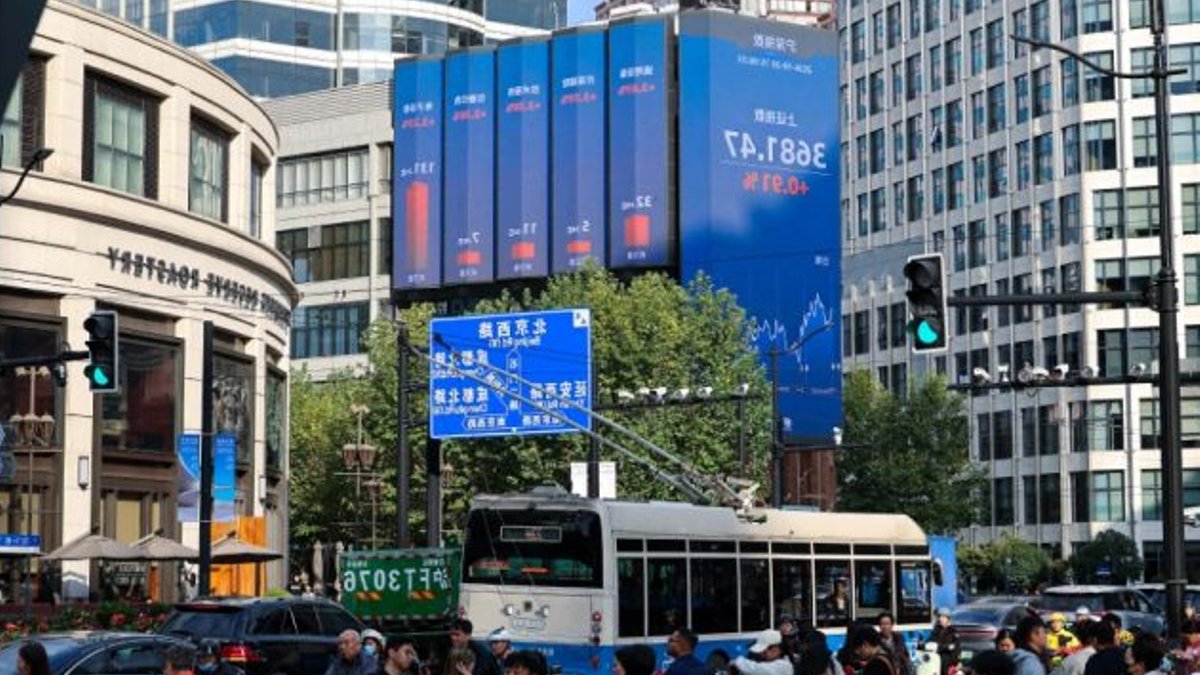
China has unveiled a series of measures to stabilize its equity markets after significant declines in October. The People’s Bank of China (PBOC) introduced a 100-billion-yuan ($15 billion) asset swap facility with 31 securities firms, asset management companies, and insurers. This one-year arrangement begins on Tuesday, with the PBOC also planning to expand participating institutions and reduce swap fees, aiming to enhance market liquidity and investor confidence.
Additionally, it will lower the interest rate on a special relending program from 1.25% to 1%, supporting share buybacks and equity stake increases by major shareholders. These steps are part of a broader strategy to encourage investment and stabilize market conditions.
Central Bank’s Broader Efforts
The PBOC has urged commercial banks to increase lending, making this policy permanent, as reported by the South China Morning Post. Officials from the PBOC met with counterparts from the China Securities Regulatory Commission (CSRC) and other regulators to stabilize markets and demonstrate support for equity markets after last month’s sell-off, which saw the CSI 300 index fall into a bear market on October 20 after a 20% drop and 12 consecutive weeks of decline.
Institutional investors can now trade illiquid assets with the central bank to purchase stocks. The CSRC aims to expand relending and support tools, encouraging more tech companies to participate and attract major index constituents. These measures are designed to restore investor confidence and prevent further market value erosion.
Market Impact and Regulatory Changes
Regulators will ease restrictions on leveraged trading, with state-linked investors, known as the “national team,” countering sell-offs in tech and AI-related equities. The CSI 300 index fell by 8.5% in October, entering a bear market on October 20 after a 20% drop. The Star 50 index in Shanghai, dominated by large chip and tech firms, has plunged by about 40% in less than four months, with share losses of approximately $480 billion.
Related Post: China’s Record Exports Spark Global Trade Tensions
Chinese mainland stocks have lost about $2.4 trillion in market value since May, according to Yahoo Finance, which noted that investors had lost faith in Beijing’s AI boom generating profits. Goldman Sachs highlights that AI companies account for about 42% of the market value of Chinese shares listed on the mainland and in Hong Kong, significantly influencing local markets. News of Beijing’s support measures helped lift Shanghai by 1.08% on Monday, while Hong Kong’s Hang Seng rose by 0.42%.
Broader Economic Context
China‘s recent market interventions reflect a broader strategy to maintain economic stability amid global uncertainties. The country’s efforts to support its equity markets come at a time when investor confidence has been shaken by the performance of tech and AI sectors. These measures aim to restore faith in the market and prevent further value erosion, with the PBOC’s actions providing liquidity and encouraging investment.
Tech Sector Challenges
The tech sector, particularly AI companies, has been a significant driver of China’s market fluctuations. With a substantial portion of market value tied to these firms, their performance directly impacts overall market trends. The challenge lies in addressing investor doubts about the profitability of AI and tech ventures, which have seen substantial losses in recent months. The CSRC’s plans to expand support tools and encourage tech company participation aim to bolster this sector.
Oil Prices Fall
Meanwhile, in other business news, oil prices fell about 6% on Monday due to ongoing talks aimed at ending the war in the Middle East. Brent crude was just over $106 a barrel, while WTI was at $97.45. These declines reflect market sensitivity to geopolitical developments and the potential for a resolution to the conflict, which has disrupted global shipping and energy markets.


