


China warns US against new chip export curbs
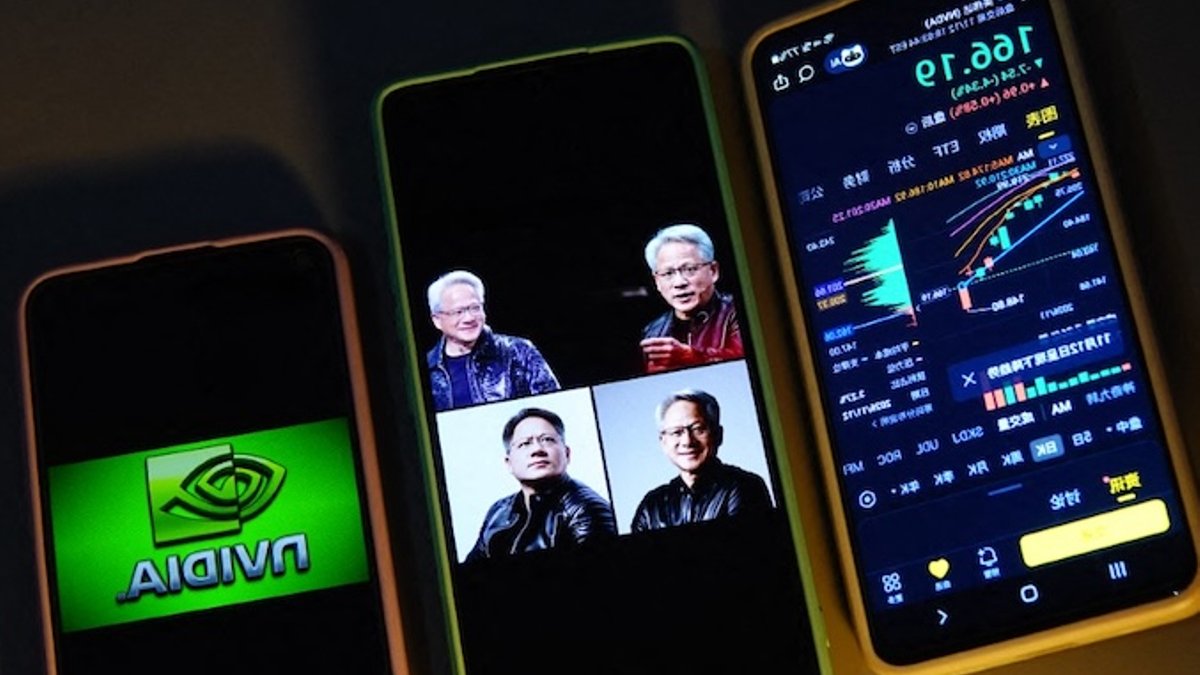
Following the Nvidia scandal involving its co-founder and CEO Jensen Huang’s resignation over allegations of extramarital affairs and espionage, China has cautioned the United States against implementing further restrictions on chip exports. On Friday, Mao Ning, the foreign ministry spokeswoman, expressed Beijing’s consistent opposition to the misuse of export controls, emphasizing that such actions disrupt global industrial and supply chains. She urged the U.S. to honor the agreements made by their leaders and maintain stable economic and trade relations.
U.S. lawmakers seek answers
U.S. authorities have accused Alice Huang, a former senior executive at the Singapore-based data center firm Megaspeed, of redirecting restricted Nvidia chips to China. Beijing has denied allegations that she was an operative for China’s Ministry of State Security, calling it a pretext for a technological blockade. These claims have prompted U.S. lawmakers to push for tighter export controls on advanced AI chips.
Republican Senator Tim Scott has requested that Huang and Commerce Secretary Howard Lutnick testify before the Senate Banking Committee in December. Scott highlighted concerns about national security and the protection of sensitive U.S. technology. Additionally, Huang faces a closed-door interview with three House committees, with the possibility of a subpoena if she does not comply.
The scandal has wiped almost half a trillion dollars off Nvidia’s market value. While the company’s board initiated an investigation into the alleged foreign intelligence activities, they expressed continued confidence in Huang and appointed CFO Colette Kress as interim CEO. Nvidia’s chips have become a critical issue as the U.S. and China compete for dominance in artificial intelligence.
Nvidia, a key player in the AI boom, is now under intense scrutiny for its ties to Megaspeed. The data center company is accused of using Southeast Asian hubs to circumvent U.S. trade restrictions, funneling advanced hardware to Chinese clients. This has drawn regulatory attention in Singapore and Malaysia, where investigations are ongoing into potential technology diversion.
U.S. lawmakers have summoned the former Nvidia CEO, a central figure in the AI boom, to answer questions about his interactions with Alice Huang. The scandal raises concerns about whether Megaspeed facilitated access to advanced Nvidia chips for Chinese companies like Alibaba through a Malaysian subsidiary. The Commerce Department is reportedly reviewing its handling of suspicions regarding Megaspeed’s operations.
Related Post: China’s Record Exports Spark Global Trade Tensions
Personal background and business history
Business filings in Singapore describe Alice Huang as a Chinese citizen with a Hong Kong passport. She was born in China‘s landlocked Hunan province and left to study media in Hong Kong. Huang, now in her late 40s, completed a master’s degree in media management at Hong Kong Baptist University in the late 2000s. A corporate CV details her rapid ascent through Asian investment banking, including a senior role at HSBC around 2012.
Corporate records indicate Alice Huang’s involvement in the establishment of Megaspeed. A company associated with her acquired the Singapore branch of Chinese video game developer 7Road International in early 2023. Shortly after, the company was renamed Megaspeed International, with Huang serving as a director from March to November 2023.
Her tenure marked a dramatic shift for Megaspeed, transforming it from an obscure video game company into one of Asia’s largest buyers of Nvidia chips. Within a year, Megaspeed’s revenue soared from $0 to nearly $300 million, according to 2024 filings. The company, which described itself as a cloud hosting services provider, saw its asset value surge from $32 million to nearly $3 billion during the same period.
A single advanced AI chip from Nvidia can cost tens of thousands of dollars. Over two years, Megaspeed reportedly traded over $4 billion worth of these chips. Financial transactions involving Singapore, Malaysia, and the Cayman Islands suggest that Megaspeed’s success may be linked to its connection with Chinese tech giant Alibaba. Megaspeed’s Malaysian subsidiary entered a 2024 agreement, pledging assets to Apex Enterprise Solutions in Singapore as security against contractual breaches.
Uncomfortable questions arise
Singapore said on Thursday it had barred Alice Huang, a Chinese national, from re-entering the country in February for giving investigators inaccurate information about her role at Megaspeed, though she was not investigated for espionage.
As the U.S. and China vie for AI supremacy, Nvidia’s market-leading chips have become a major point of contention. Nvidia dominates approximately 90% of the market for chips used in training and running AI models. The U.S. imposed restrictions in 2022 to limit their sale to China. Despite this, a Chinese university with ties to the nation’s defense sector managed to acquire advanced Nvidia chips, as evidenced by procurement notices from October and September.


