


London-Linked Nickel Tied to Indonesian Rainforest Destruction
Indonesia faces multiple crises in late 2026, with intensifying forest and peat fires creating dangerous haze across its major islands and neighboring countries. The environmental disaster marks the fifth such event since the late 1990s, demonstrating persistent governance challenges for the archipelago nation.
The Prabowo Subianto government encountered a significant financial threat last week when MSCI indicated it is considering a severe downgrade of the Jakarta stock market. The index compiler cited inadequate oversight of trading and opaque shareholding structures as primary concerns, a move described as a shock by financial officials.
This potential downgrade triggered a dramatic collapse in the sharemarket last Friday, which intensified on Monday amid a frantic scramble by authorities to impose fines and launch investigations in an effort to prevent billions in capital flight.
‘Rainforests still being culled’
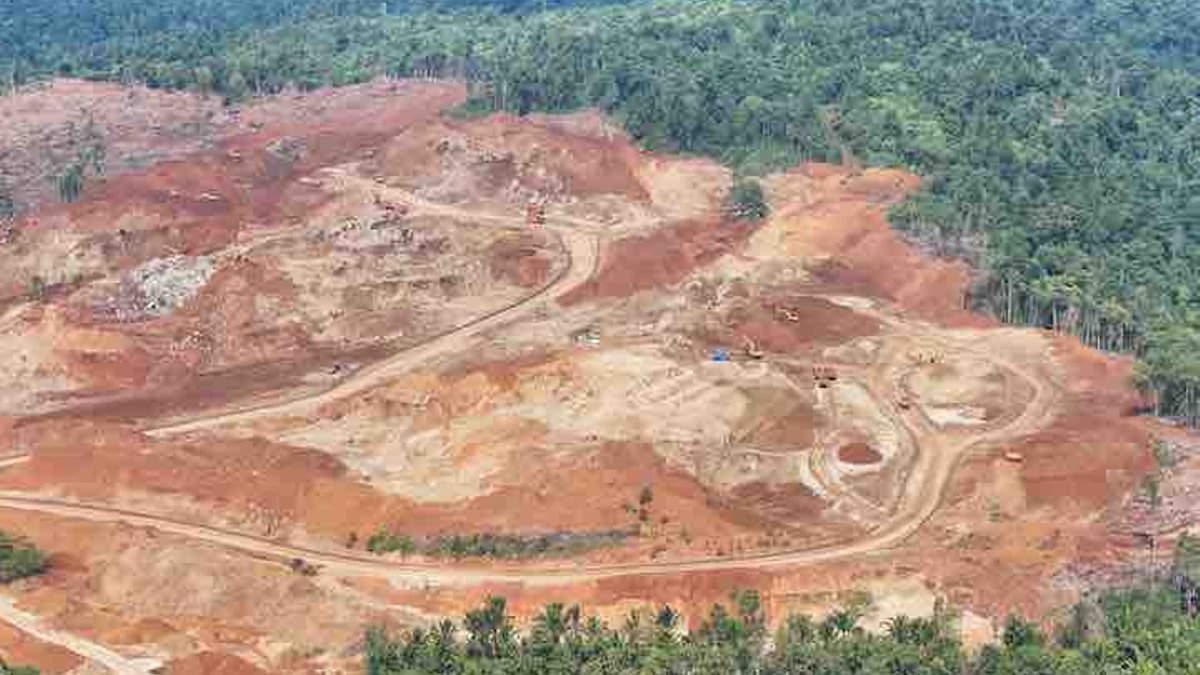
On Wednesday, a third major concern emerged when a British-based NGO accused nickel traded on the London Metal Exchange of remaining linked to the destruction of “climate critical” rainforests in Indonesia. The Environmental Investigation Agency (EIA) released a report alleging ongoing deforestation tied to nickel mining operations on the islands of Sulawesi and North Maluku.
The EIA report joins a growing list of organizations documenting environmental and human rights abuses in Indonesia’s nickel sector. Mighty Earth, Climate Rights International and Global Witness have all previously raised alarms about pollution, land rights violations and violence against environmental defenders.
Climate Rights International alleged in 2024 that large-scale projects like Weda Bay and mining concessions in Sulawesi and North Maluku involved forced relocations, land seizures and inadequate compensation without free, prior and informed consent from local communities.
Indonesia’s nickel production has exploded over the past decade, making the country the source of approximately 60% of global supply, according to a Reuters report from April. Campaigners warn this rapid expansion comes at a severe cost to local communities and global ecosystems, as massive forest areas are cleared to make way for mining operations and associated infrastructure. This surge in production, driven by global demand for nickel in electric vehicle batteries, has intensified pressure on Indonesia’s forests and indigenous communities.
‘500,000 hectares of rainforest at risk’
The EIA estimates nickel mining has already destroyed over 75,000 hectares of forest in Sulawesi and North Maluku.
“Hundreds of thousands more hectares of forest in Indonesia remain at risk of future clearance to make way for nickel mining,” the report states. The findings were released concurrently with LME Week, October 19-23, as campaigners press the London Metal Exchange to strengthen its environmental safeguards.
EIA identifies gaps in the LME’s “responsible sourcing” rules, alleging that nickel from mines supplying industrial smelters at Morowali and Weda Bay caused significant deforestation. The organization advocates for the LME to collaborate with mining industry bodies and civil society to establish a mandatory “zero deforestation” standard with specific cut-off dates and independent verification of mine site practices.
The EIA report specifically names key Chinese companies involved in Indonesian nickel production. Colin Robertson, EIA’s forests campaigner on mining, stated that companies depend on the LME as evidence of responsible sourcing, yet their findings demonstrate that metals approved for trading on the Exchange may still contribute to globally significant rainforest destruction. The EIA’s analysis reveals that the LME’s current responsible sourcing guidelines are insufficient to prevent deforestation, as they rely on voluntary disclosures that are not rigorously enforced.
The organization urged collaboration with mining industry bodies and civil society groups to establish mandatory zero-deforestation standards with clear deadlines and independent verification of mine practices. Current LME rules lack specific deforestation criteria, relying instead on voluntary disclosures that EIA argues are insufficient.
Automakers Demand Change
European automakers have begun imposing their own nickel sourcing requirements in response to mounting environmental concerns. These companies are seeking assurance that materials used in electric vehicle batteries do not contribute to rainforest destruction. The EIA report highlighted that metals approved on the LME may still be linked to ecologically destructive mining operations. Campaigners emphasize that consumer awareness of “deforestation free” metals is growing, pressuring downstream industries to act. Consumer demand for “deforestation-free” metals is growing rapidly, prompting automakers to implement stricter supplier criteria and collaborate with environmental organizations to verify sourcing practices.


