


Customs compliance jobs see growing demand
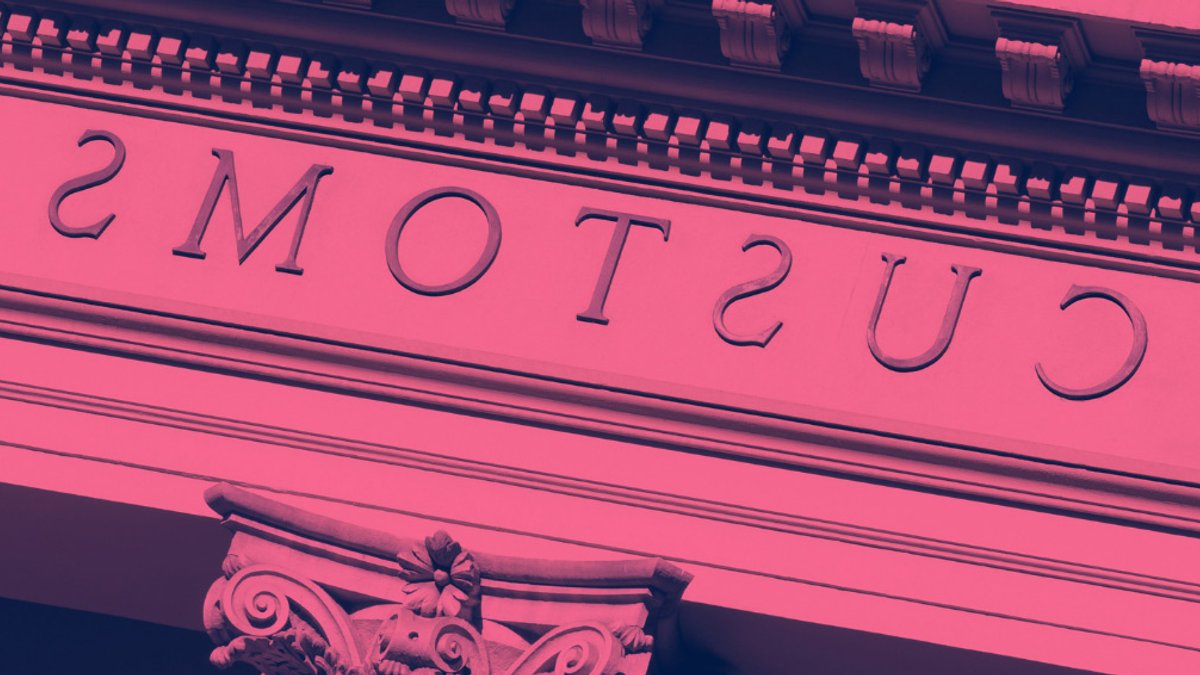
The history of customs compliance is fascinating, with its evolution from a simple bartering system to a complex global process. Customs compliance has gone from a centuries-old “trade and tribute” system to a formalized international network of agencies and rules that ensure national security, expanded global trade, and political cooperation.
Some of the earliest records of customs applications stem back to a time before the creation of most nations as we know them today. For example, ancient indigenous communities often traded with other tribes through tribute systems that offered more than just the goods exchanged.
Evolution of Customs Compliance
In China, as maritime trade became more sophisticated, different regions established agencies and formalized customs laws to oversee trading ships and their goods. Likewise, the Roman Empire created detailed documents and rules for goods across their empire spanning into Asia.
More recently, in the past few hundred years, as nations and their governments became more established, they created official customs agencies, many with the original purpose of collecting taxes and tariffs on goods to help fund their growing economies.
Now, agencies such as U.S. Customs and Border Protection (CBP), the European Commission’s Directorate-General for Taxation and Customs Union (DG TAXUD), and the developing EU Customs Authority (EUCA) are all part of an international network that helps ensure customs compliance and facilitates the safe, efficient movement of goods across borders.
Growing Demand for Customs Compliance Jobs
Customs Compliance Evolves
Those working in the field of customs compliance today will tell you that a host of factors are transforming the customs environment, creating the demand for new skills and job roles that did not exist even a mere five years ago. For individuals seeking work in the world of compliance, these rapid changes mean that there are opportunities to seize.
Roles focused on tariff expertise, AI tech governance, supply chain strategy, and risk mitigation are all on the rise, and those who gain these skills sooner than later are putting themselves on a fast-track to success. One of the most in-demand roles is the Customs Compliance Specialist, responsible for ensuring that every shipment is correctly classified, documented, and cleared.
With the EU rolling out its multi-year customs reform and the United States expanding its enforcement focus on forced-labour violations, compliance expertise for every modern company is a top priority. Increased scrutiny around tariff codes and country-of-origin rules, digital modernization, and rising penalties for misclassification and inadequate documentation have made this role critical.
Customs Compliance Specialists need skills such as HS and tariff classification training, FITTskills courses on global value chains and compliance, and country-specific customs frameworks. These skills ensure professionals can work with precision in the world’s most closely monitored and frequently updated trade rules.
Another key role is the Import/Export Compliance Analyst, who focuses on ensuring companies meet all regulatory, documentation, and audit requirements related to cross-border trade. Today’s analysts need a blend of legal understanding, risk interpretation, and technical accuracy to keep pace with global regulatory changes.
Rapidly evolving sanctions, tariff regimes, and compliance obligations have made this role essential. Analysts who can interpret rules accurately reduce corporate exposure to fines, seizures, and forced-labour enforcement actions. Professionals typically earn these skills through FITTskills courses, government training programs, or accredited compliance bodies.
As the demand for customs compliance jobs continues to grow, individuals with the right skills and training will be well-positioned for success. The ability to handle complex trade rules, interpret regulations, and mitigate risk will be essential for companies operating in the global marketplace.
Read Also: Canadian Tire Executive Tawanda Chiota Profiled
Emerging Compliance Roles
The Trade Technology and Compliance Systems Manager is another critical role, responsible for configuring, testing, validating, and overseeing AI-driven customs portals and global trade management systems. This role blends regulatory knowledge with digital literacy, requiring individuals to understand how compliance works beyond technology.
With accelerated digitization of customs clearance, increased reliance on ERP and GTM systems, and the need for human oversight in AI-driven classification and risk alerts, this role is becoming increasingly important. Professionals in this role need skills such as ERP/GTM system training, data analytics for trade operations, and AI governance and validation fundamentals.
As companies continue to adapt to the changing market of customs compliance, the need for skilled professionals will only continue to grow. The Export Controls and Sanctions Compliance Specialist is another key role, responsible for ensuring that companies comply with up-to-the-minute sanctions and customs rules.
New geopolitical conflicts and realignments, expansion of forced-labour import bans, and increased enforcement of export-control and dual-use rules have made this role strategically important. Hires for this position need to know how to operationalize complex regulatory requirements into everyday business procedures and future-proof business against potential sanction threats and changes.
Professionals in this role typically obtain skills through government-issued training, compliance associations, and training programs. The ability to interpret rules accurately, mitigate risk, and ensure compliance with regulations will be essential for success in this role.
The Trade and Customs Advisor/Consultant guides organizations through multi-jurisdictional customs challenges, from valuation to free-trade agreements to special economic zones. They also work at large financial institutions, advising small businesses or important clients on import and export processes, trade procedures, and documentation.
Skills like interpreting rules of origin, HS classification codes, Incoterms, and overall supply chain knowledge are critical for success in this role. Companies need strategic guidance across multiple jurisdictions, making this role essential for working through the complex world of customs compliance.
Training for Compliance Success
The FITTskills Program is one example of a training program that provides hands-on, practical application of customs compliance skills. The program offers courses and workshops on topics such as global value chains, compliance, and risk analysis and management.
One key aspect of customs compliance is the ability to work through the complex web of regulations and rules that govern global trade. This requires a deep understanding of topics such as tariff classification, country-of-origin rules, and export controls.
The use of technology, such as AI-driven customs portals and global trade management systems, is also becoming increasingly important in customs compliance. Professionals in this field need to have a strong understanding of how to configure, test, and validate these systems, as well as how to ensure human oversight in AI-driven classification and risk alerts.
The CBP and DG TAXUD are two examples of organizations that play a critical role in ensuring customs compliance and facilitating the safe, efficient movement of goods across borders. These organizations, along with others like the EUCA, are responsible for enforcing regulations and ensuring that companies comply with customs laws and regulations.

Canadian Tire Executive Tawanda Chiota Profiled


