


Ship recyclers brace for tidal wave of vessels
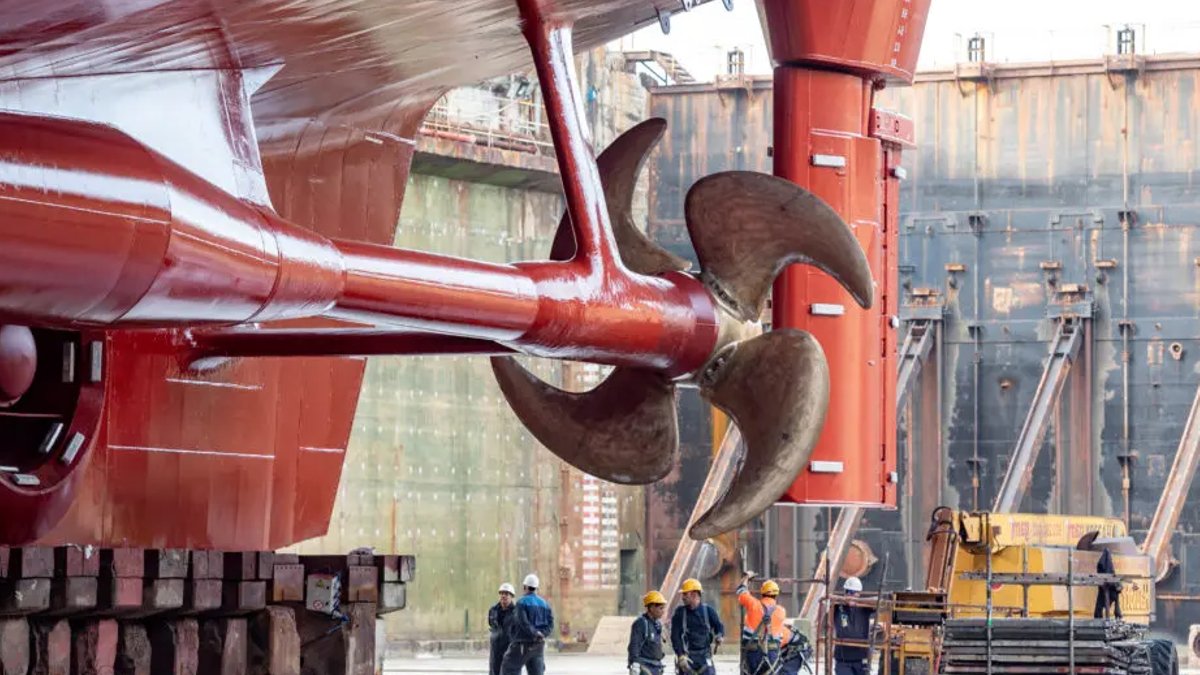
Ship recycling is set to confront a surge of end‑of‑life vessels, with industry estimates indicating roughly 16 000 ships—about 600 million deadweight tonnes—will need dismantling over the next decade.
Scale of the upcoming backlog
The volume of recyclable steel from decommissioned ships could climb to as high as 95 % of a vessel’s weight, offering a sizable feedstock for the European steel market. Yet capacity constraints loom large. At the recent Ship Recycling Congress in Rotterdam, stakeholders highlighted that European recycling yards are operating below capacity, while about 90 % of global ship dismantling still occurs on South Asian beaches.
Regulators are focusing on safety and environmental standards rather than simply expanding the number of yards. The Hong Kong Convention, which entered into force last year, provides a new baseline for worldwide practices. According to officials in the European Commission’s Directorate‑General for Environment, there are no immediate plans to revise the EU Ship Recycling Regulation, but the commission will monitor how the convention is applied and consider future upgrades.
Related: Iran conflict sparks plastics market volatility
Administrative simplifications have already taken effect. Since February, shipowners can meet both EU and Hong Kong requirements with a single inventory certificate and a single ready‑for‑recycling certificate, reducing paperwork without adding new obligations.
Compliance and enforcement tighten
The EU maintains a list of 41 approved recycling facilities, of which 30 are located in Europe, ten in Turkey, and one in the United States. Enforcement is being stepped up: illegal ship recycling under the EU regulation could now be treated as a criminal offence, with penalties up to ten years in prison or fines of up to 5 % of global turnover, whichever is lower.
Industry voices argue that the regulatory framework will need to evolve further. Isabelle Radovan, policy advisor at Recycling Europe, suggests expanding the regulation to include military and publicly owned vessels and to address the practice of reflagging ships before dismantling. She also calls for stronger standards across all approved yards to ensure a level playing field.
At the same time, capacity concerns are growing. Reinoud Pijpers, director of the International Ship Recycling Association, notes that the combined length of ships sent for dismantling fell from 239 km in 2012 to just 52 km in 2024, while the average age of scrapped vessels rose from 29 to 34 years. Longer service lives reflect robust freight markets and owners’ desire to extract more value before retirement.
Related: Love in Every Gem: Exploring the Unique Designs of Hulme’s Engagement Rings
Gudrun Janssens of the trade association BIMCO observes that demand for ships changes annually, creating little predictability. “The challenge is that Hong Kong Convention‑compliant recycling capacity cannot be expanded overnight,” she says, highlighting the lag between market pressures and facility readiness.
Operator experiences and on‑ground practices
Some shipowners are already exceeding baseline requirements. Odfjell, a Norwegian chemical tanker operator, has recycled five vessels in India since 2022, achieving a 99.6 % material recovery rate without incidents. Vice‑president of sustainability Oistein Jensen describes the Hong Kong Convention as “the floor, not the ceiling,” emphasizing that compliance is just the starting point.
Odfjell selects only five of Alang’s 128 yards, applying criteria such as corruption screening, legal history reviews, sanctions checks and environmental performance. The company also conducts weekly reporting from yard personnel and employs independent third‑party supervisors throughout dismantling operations, reflecting a hands‑on approach to human factors.
Maria Joseph of the Sustainable Shipping Initiative points to the Mukadam system in Alang, where seasoned supervisors mentor younger workers, improving safety knowledge on the shop floor. An official quoted by Joseph noted, “I watch everything, every man, every cut… I feel much safer now than I did then.” Currently, 115 of Alang’s 128 plots are certified under the Hong Kong Convention, yet Joseph cautions that certification alone does not capture the full performance picture.
Related: Top Insurance Innovators in Asia Honored
Benedetta Mantoan of the NGO Shipbreaking Platform claims Europe could handle the entire EU‑flagged fleet and even larger Panamax vessels, provided additional capacity is built. She asserts that “with an upcoming surge of end‑of‑life vessels, the EU needs to invest in additional capacity.”
Simon Bennett, sustainability adviser to India’s Priya Blue Group, stresses that significant improvements have already occurred before the Hong Kong Convention’s entry into force. He urges NGOs to continue campaigning where needed while also recognizing the “massive, and in many cases, voluntary and proactive action to change for the better.” Bennett notes that the EU regulation covers only a fraction of global shipping activity and that lasting progress will depend on raising standards industry‑wide.
Priya Blue, which has scrapped 66 ships, reports a 98 % material recovery rate and employs more than 1 200 workers. The company recently launched a joint venture in Bahrain with the Arab Shipbuilding & Repair Yard, expanding its reach beyond traditional South Asian sites.

Iran conflict sparks plastics market volatility


