


Threats rise for traded goods warehouses
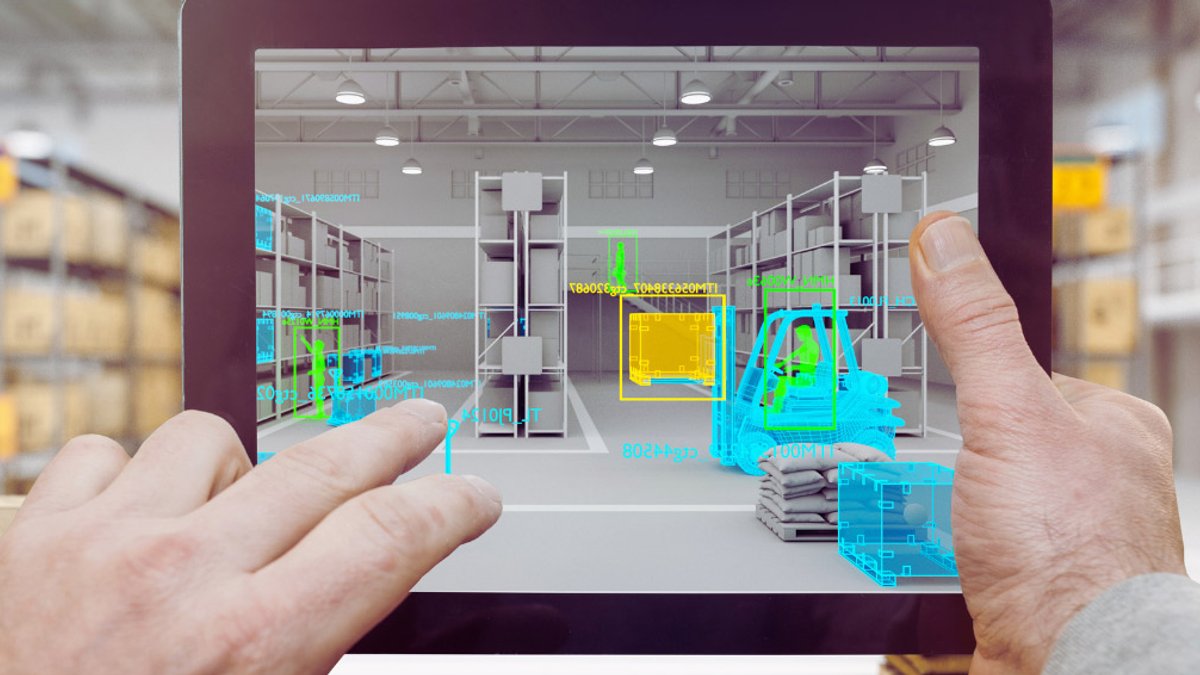
International trade has enabled modern societies to flourish, but it also presents unique vulnerabilities to malicious actors. The value of goods in international trade can be a target for opportunistic and organized crime, making it a critical priority for warehouse and logistics managers to address and prevent these threats.
Threats against international trade operations have increased significantly in recent years, with North American cargo theft losses surging by 60% in 2025 and cybersecurity incidents rising globally by almost 50% in the last five years. Cargo theft has long been a major source of loss for businesses engaged in international trade, with estimated losses reaching $725 million in 2025.
Security Challenges in International Trade Warehousing
Organized criminals are increasingly viewing warehouses and distribution centers as primary targets, using advanced technologies to clone credentials, falsify transport documents, and fraudulently pose as carriers to steal goods while bypassing security systems. Effectively managing access at modern warehouses can be uniquely challenging, as internal personnel and third parties require varying degrees of access to low and high-risk areas on a regular basis.
Criminals will frequently attempt to exploit any weaknesses in access controls to get to secure areas and valuable goods, whether through tailgating, cloned credentials, oversights in visitor management, or stolen keys. Weak access security can leave valuable goods exposed, making it essential for warehouse operators to implement robust access control measures.
Cybersecurity Threats Rise
Cybersecurity threats are a growing concern for businesses engaged in international trade, as warehouse operators adopt increasingly sophisticated technologies to streamline day-to-day operations. The digital attack surface is growing, making warehouses more vulnerable to attacks that can take mission-critical infrastructure offline and expose sensitive assets.
A 4-Stage Checklist for Protecting Internationally Traded Goods
To protect internationally traded goods against increasingly sophisticated threats, warehouse and logistics managers can follow a practical checklist covering four key areas: perimeter protections, access control, loading and conveyance security, and cybersecurity protections. Impactful physical security improvements begin with efforts to strengthen perimeter protections, including parking, fencing, buffer zones, surveillance, and lighting.
An effective perimeter security checklist will consider the segregation of parking lots, restricted access to parking lots using vehicle access control systems, and manned guard stations to ensure all access events are recorded. Fencing should be a minimum of 8 feet tall and free from gaps that could be exploited by attackers, with a continuous buffer zone maintained around perimeter fencing to eliminate blind spots.
Surveillance systems should cover all vehicle access points and the entire perimeter, with continuously monitored and active CCTV systems that can autonomously detect anomalous events and warn operators via SMS. Lighting systems should be installed at all entry points and around the entire perimeter to eliminate blind spots and ensure cameras can capture clear footage 24/7.
Warehouse operators should also deploy continuously monitored access control systems to prevent malicious actors from gaining access to valuable goods. More than 20% of cargo thefts involve some element of insider participation, making it essential to restrict employee and courier access inside facilities.
Facility managers can use door access control systems to automatically restrict entry to sensitive areas behind personalized, traceable credentials. Employees can be issued physical tokens like key cards or fobs that grant access only to areas relevant to their roles, while couriers and guests can be sent time-based mobile credentials prior to their visit that grant restricted access to low-risk areas.
For high-risk areas like loading docks, consolidation areas, and storage zones for high-value goods, access should be secured behind Multi-Factor Authentication (MFA). MFA requires authorized persons to present multiple forms of credentials to gain access to a specific area, helping to minimize the risk of lost or stolen credentials exposing valuable assets.
Read Also: Exporters overlook logistics risks at their peril
When developing access systems, warehouse operators should consider the benefits of using a range of credential types to meet different needs, including freight carriers, couriers, contractors, visitors, packers, pickers, sorters, and doc workers. Granting time-based access to low-risk areas via digital passes sent to users’ smart devices can help restrict access to sensitive areas.
Warehouse managers, operations managers, and security leaders should grant secure access to high-risk areas by using difficult-to-fabricate biometric information, such as iris scans or fingerprints, as access credentials. By implementing these measures, warehouse operators can effectively manage access and prevent malicious actors from gaining access to valuable goods.
Loading Security Measures
The next stage of the checklist involves loading and conveyance security, which includes dedicated security measures to check all incoming vehicles are authorized and all loaded goods are secured. This includes driver vetting, vehicle inspections, goods tracking, and dock security management.
Driver credentials must be scanned and checked against the Bill of Lading and internal access records to confirm that incoming vehicles are authorized. Pre-load inspections should be conducted to thoroughly inspect the interior and exterior of all trucks, trailers, and containers for hidden compartments before any goods are loaded.
Cargo must be sealed in accordance with the View, Verify, Tug and Twist (VVTT) protocol to ensure goods are secured and to protect against tampering. Goods tracking should be implemented using GPS devices affixed to valuable goods prior to loading, providing operations managers with real-time visibility into their location during transit.
Dock security management should include security cameras and tamper-proof locks to secure dock doors before and after loading.
Cybersecurity Protections
The final stage of the checklist involves cybersecurity protections, which are essential for preventing malicious actors from remotely disabling mission-critical systems and stealing data that could be used to breach physical security systems. Key tools and practices to focus on include access control, network segmentation, encryption, endpoint security, and operational practices.
Physical access to server rooms should be secured behind traceable credentials, and access to digital systems should be secured behind MFA protections. Critical operational and security systems should be isolated from each other to minimize the risk of a breach in one system spreading to all others.
All communications between digital systems should be encrypted at rest and in transit to help prevent malicious actors from intercepting sensitive data remotely. Endpoint detection and response solutions should be integrated into all digital systems to help security personnel identify and address suspicious activities.
Leaders should ensure that all software is regularly updated, all passwords are regularly changed, and unnecessary credentials are routinely deleted. By implementing these cybersecurity measures, warehouse operators can effectively protect their digital systems and prevent malicious actors from gaining access to sensitive data.
By taking a proactive approach to security, warehouse operators can help protect internationally traded goods and prevent malicious actors from gaining access to valuable assets. This requires a security plan that includes perimeter protections, access control, loading and conveyance security, and cybersecurity protections. The use of access control systems, surveillance systems, and cybersecurity measures can all help to protect internationally traded goods and prevent malicious actors from gaining access to valuable assets, and the warehouse management system market is expected to drive the adoption of these technologies, with a projected value of $7.69 billion.

Exporters overlook logistics risks at their peril


