


India struggles to extend childhood cancer care
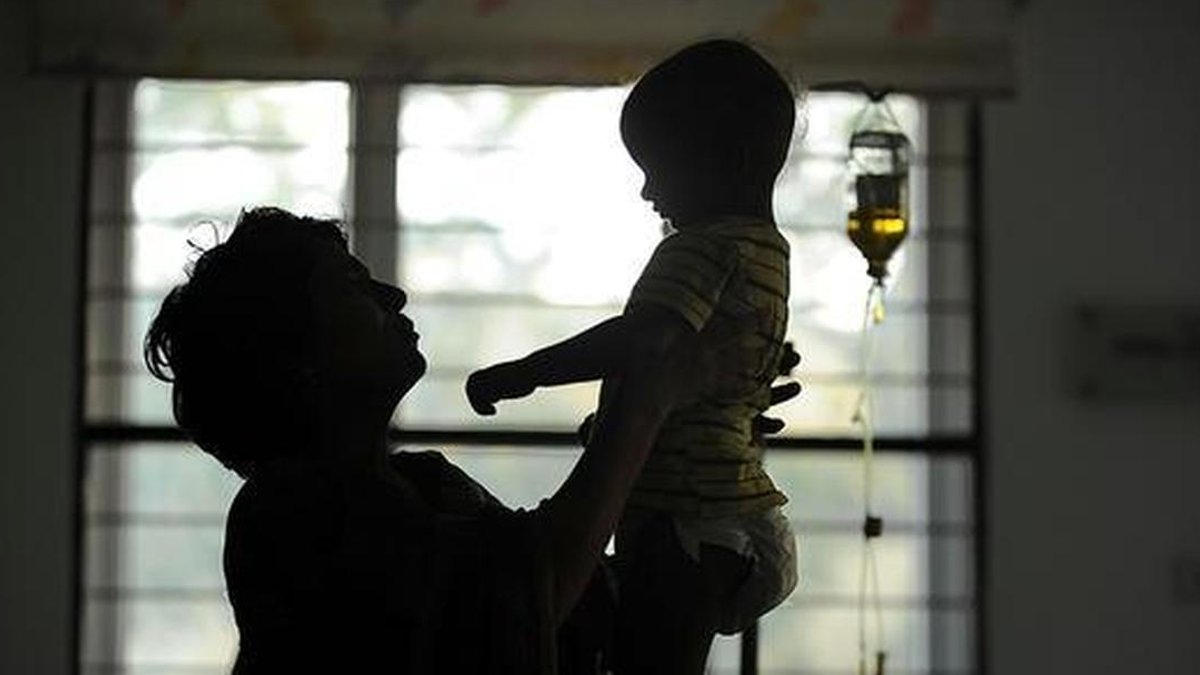
India carries the largest share of childhood cancer cases in the South Asian Association for Regional Cooperation region, according to a recent study. The data indicates that in 2022, the nation accounted for 25,939 of the 37,716 new cases identified across the region. While healthcare infrastructure is expanding, experts suggest that significant gaps in population-wide data collection continue to obscure the true scale of the health crisis.
The GLOBOCAN estimates, produced by the International Agency for Research on Cancer, rely on a mix of registry data and statistical modeling. The estimates, therefore, may not represent every case diagnosed in India. Oncologists say better reporting has increased the number of cases being identified as healthcare expands, but substantial gaps in cancer registration—particularly in rural areas—mean many cases may still go unrecorded.
Venkatraman Radhakrishnan, a professor of paediatric oncology at the Cancer Institute, WIA, highlights that earlier estimates based on the 2011 Census suggested that 52,366 children aged 0–14 and 76,805 children and adolescents aged 0–19 could develop cancer every year. The discrepancy between these projections and current reporting suggests that many cases may go unrecorded. While some view the rise in reported numbers as a sign of improved diagnostic capabilities, there is no strong data to establish if the incidence per 100,000 population is higher in some parts of India compared with other parts of the world.
Related: Nepal floods leave dozens dead and hundreds missing
The existence of effective clinical treatments creates a disconnect between medical potential and patient outcomes. When a health system possesses the technical skill to cure a disease but lacks the reach to find patients before they reach an advanced stage, the resulting mortality is often a failure of logistics rather than medicine. This systemic hurdle turns manageable diagnoses into life-altering tragedies for families who cannot bridge the gap between their homes and specialized facilities.
Though many childhood cancers have high cure rates, outcomes remain uneven. Factors including delayed diagnosis, malnutrition, and the high cost of treatment contribute to these disparities.
Narendra Agarwal, head of the haematology unit at Rajiv Gandhi Cancer Institute and Research Centre, explains that while initial treatment is often subsidized, costs can spike if a child experiences a relapse, leading some families to abandon care.
Related: Hyderabad police step up security for Milad procession
Providing consistent support for the duration of a child’s treatment remains the most significant obstacle to improving survival rates.
Systemic improvements require urgent attention to ensure children receive timely care.
In other regions, have also strained medical resources, while elsewhere, authorities have to manage public gatherings effectively.

Nepal floods leave dozens dead and hundreds missing


