


Chinese Car Exports Surge as Home Sales Decline
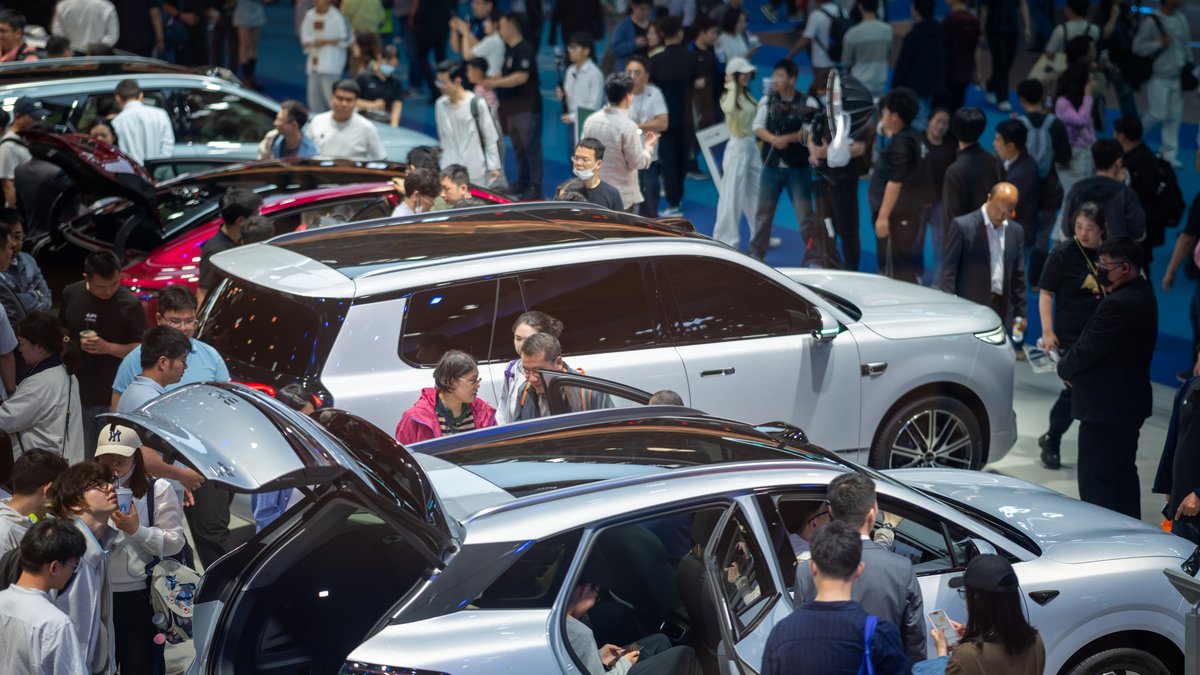
China’s auto sector is seeing a sharp shift as domestic sales fall and exports rise, a trend detailed in the latest Mirror market report.
Domestic sales slide amid structural changes
According to the report, vehicle sales by Chinese manufacturers dropped 4.2% year‑on‑year, reaching 12.207 million units in the first five months of the year. Retail figures have been on a downward path for eight consecutive months, reflecting weaker demand at home. The China Passenger Car Association responded by cutting its 2026 outlook, now forecasting an 11‑20% contraction in domestic retail sales for the full year.
Industry observers link the decline to a broader rebalancing toward electrified models and a focus on overseas markets. The slowdown aligns with a wider pattern of reduced consumer spending and tighter credit conditions that have been reported across several sectors.
Exports surge, boosting the sector’s global share
While domestic numbers slump, vehicle exports jumped 68.7% year‑on‑year in May, climbing to 930 000 units. That surge lifted the export share of total production to nearly 36%, according to the data.
One implication of the export boom is a potential reshaping of supply chains. Companies that once relied heavily on the domestic market are now diversifying production lines and logistics to meet foreign specifications and regulatory standards.
Policy drive for material self‑sufficiency
In the midst of these shifts, the government’s two‑year plan for the non‑ferrous metals industry aims to raise recycled output to over 20 million tonnes annually, with a 5% average annual growth in value‑added production. The policy emphasizes self‑reliance in critical materials such as copper, aluminium and lithium, seeking to buffer the sector from geopolitical volatility.
The emphasis on recycling aligns with long‑term sustainability goals but may require substantial investment in processing facilities. Stakeholders are watching how the tightening of import compliance deadlines will influence both the availability of raw materials and the cost structure for manufacturers.
Broader implications for the non‑ferrous sector
Beyond automobiles, the report highlights volatility in non‑ferrous scrap metal prices and a regulatory push for resource self‑sufficiency. The sector faces logistical challenges and global macro‑economic constraints while trying to meet the government’s output targets.
Analysts suggest that the combination of a shrinking home market and a robust export pipeline could lead Chinese automakers to prioritize models that meet international emissions standards, potentially accelerating the rollout of electric vehicles abroad. This realignment may also affect domestic pricing strategies, as manufacturers balance cost pressures with the need to stay competitive overseas.

Mojave Desert plant recycles massive steel scrap haul


