


Mojave Desert plant recycles massive steel scrap haul
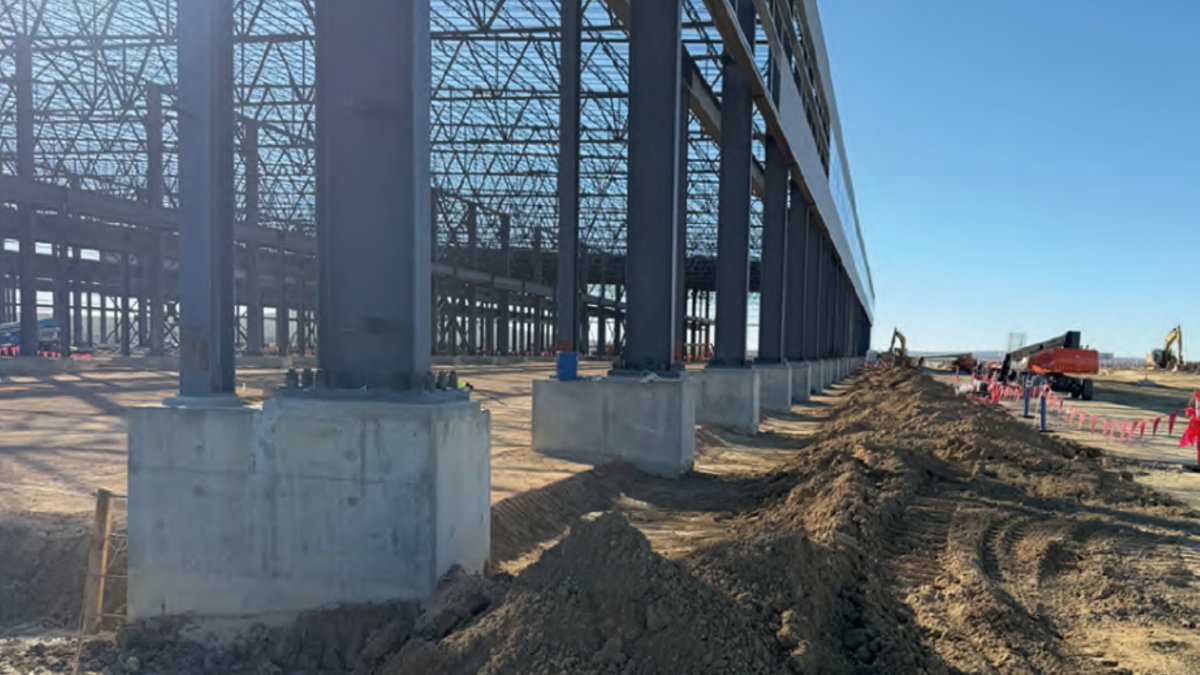
The Mojave Desert, known for its scorching temperatures and vast emptiness, is becoming an unlikely center for steel recycling. A new $600 million micro mill is under construction about 35 kilometers from Edwards Air Force Base, set to process up to 410,000 tonnes of steel scrap annually.
Breaking ground in the California desert
The Mojave Micro Mill, owned by Pacific Steel Group, marks the first steel mill built in California in over 50 years. Construction started in March 2025, with crews working nonstop to meet a mid-2027 launch date.
Mark Olson, the company’s vice president of mill operations, said progress has been smooth. “We are eight months into construction. The project is progressing well and is currently on schedule.”
The facility will use electric arc furnaces to melt and recast scrap into rebar, a key material for construction. Once operational, it will produce between 380,000 and 450,000 tonnes of rebar each year.
Renewable energy powers a new steelmaking model
The mill will run primarily on renewable energy instead of fossil fuel-powered blast furnaces. About a third of its 700,000-square-meter site will house solar panels and energy storage, taking advantage of the region’s strong sunlight.
Wind power and additional storage will support the solar array, matching California’s climate targets. The change could serve as a model for cleaner industrial production in the U.S.
Related: Lindner Continues to Expand and Evolve
Steel production is a major global emitter, and manufacturers face growing pressure to adopt greener methods. The Mojave project will test whether mills powered by renewables can compete with traditional approaches.
Economic ripple effects in a remote region
The mill has already created 450 jobs, with plans to expand to 1,200 positions by early 2028. State incentives, including a multi-million-dollar tax credit, highlight its potential to strengthen the local economy.
Pacific Steel Group also aims to reduce California’s dependence on imported steel. Currently, much of the state’s scrap metal is shipped overseas, while finished products are brought back. The new facility will process scrap locally, cutting transportation costs and emissions.
Olson noted strong interest from scrap suppliers. “There is an abundance of scrap and recyclers in the greater Los Angeles area. Many scrap companies interested in supplying the mill have reached out to us.” Formal contracts are expected later this year.
The mill will source scrap from within a 300-400 kilometer radius, using the region’s existing recycling network. Success could change how steel is produced and recycled in the western U.S.
Despite the desert’s harsh conditions, the project remains on track. The first batch of rebar could roll out by mid-2027, signaling a shift toward more sustainable manufacturing.

Lindner Continues to Expand and Evolve


