


Judge blocks USPS mail-in voting restrictions again
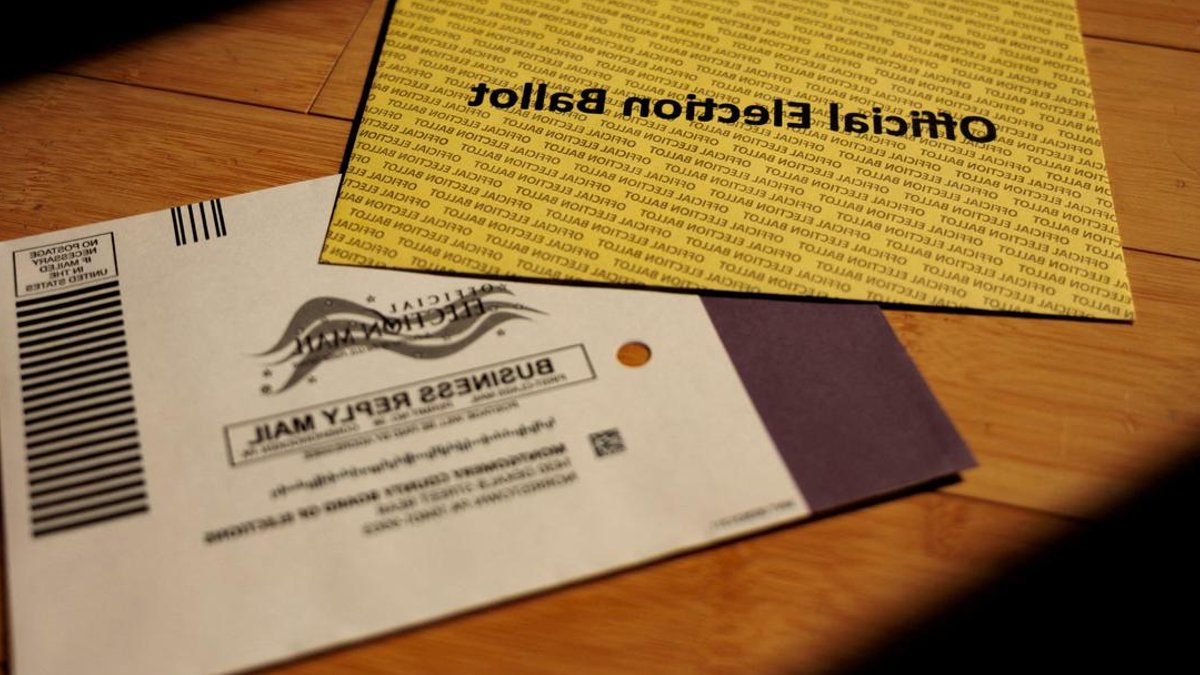
A federal judge on Friday extended a ban preventing the U.S. Postal Service from enforcing a new rule that would tighten mail-in voting requirements before the November elections. Boston-based U.S. District Judge Indira Talwani issued the injunction after one state sent out mail ballots for the upcoming contests on Friday. The ruling stops the agency from implementing standards that would require states to supply lists of ballot recipients and mandate unique barcodes on all envelopes.
Talwani wrote that only laws passed by Congress can supersede states’ authority over elections, adding that the executive branch has no inherent authority over voting rules. The judge noted that Congress has never delegated authority over voting to the Postal Service, and the agency’s new rule “clashes with Congress’s statutory scheme, and is unconstitutional.” She argued the immediate deadlines demanded by the policy would create “chaos” for groups providing information on how to vote.
Related: New mural in Byappanahalli tackles drug issue
Organizations such as the League of Women Voters “do not know whether to advise their members to vote by mail, despite legal entitlement, due to the high risk of disenfranchisement,” her ruling states. The administration swiftly filed a notice of appeal. The USPS declined to comment on the ruling, but U.S. Postmaster General David Steiner defended the agency’s handling of the issue. “We have at all times acted within our legal authority to issue a rule to achieve those policies, but ultimately the courts will decide that question, and we will follow the court’s determination,” Steiner said on Friday.
The rule requires states to submit voter information to a USPS-run online portal that does not yet exist. Talwani said it was “implausible” that states would be able to comply with the new requirements for this year’s elections. She noted that the mandate would force 10,000 election jurisdictions to redesign ballots and print them with new barcodes within weeks. “Any minor malfunction will result in the denial of mail ballots,” she wrote, concluding that disenfranchisement is “practically inevitable” for voters if the rule stands.
The Postal Service rule was issued to implement an executive order signed by President Donald Trump in March. The order followed years of the president calling to restrict voting by mail and pushing the false claim that his 2020 presidential election defeat was the result of widespread fraud. Under the policy, the USPS may refuse to deliver ballots that do not comply with the new standards or are associated with voters not on the supplied lists.
Related: Mojave Desert plant recycles massive steel scrap haul
The administration had previously asked the U.S. Supreme Court to intervene and lift a temporary restraining order so the rule could take effect. The court’s 6-3 conservative majority last week lifted a prior order Talwani issued preventing USPS from imposing such restrictions. Last week, the judge issued a 14-day temporary restraining order to prevent the rule from being enforced while she considered a longer-term injunction. The Boston-based 1st U.S. Circuit Court of Appeals had not acted on the administration’s request to set aside that initial order before Talwani issued her latest decision.
North Carolina became the first state to mail ballots for the November elections on Friday. All 50 states allow for some form of mail-in voting, with 29 states allowing voters to request ballots without providing a reason and eight conducting elections entirely by mail. Critics argue the USPS is not ready to implement the new system and that the rule could force state officials to overhaul their election infrastructure with just weeks remaining before the deadline.

New mural in Byappanahalli tackles drug issue


